February 2026
How Cortisol Impacts Your Skin — And What Science Says You Can Do About It
When we think about our skin health, we often focus on topical treatments, diet, exercise and hydration. However there’s a powerful internal factor that plays a role in how our skin looks and feels, CORTISOL!. Research now shows us that high cortisol levels don’t just affect your mood — they affect your skin, too.
What Is Cortisol?
Cortisol is the body’s primary stress hormone. It is produced by the adrenal glands in response to stress. It helps regulate blood sugar, metabolism, immune responses, and the body’s natural sleep-wake cycle. In short bursts, cortisol is useful supporting our fight or flight mechanisms but chronic stress over long periods means that our cortisol levels remain elevated and this leads to visible and physiological changes in the skin.
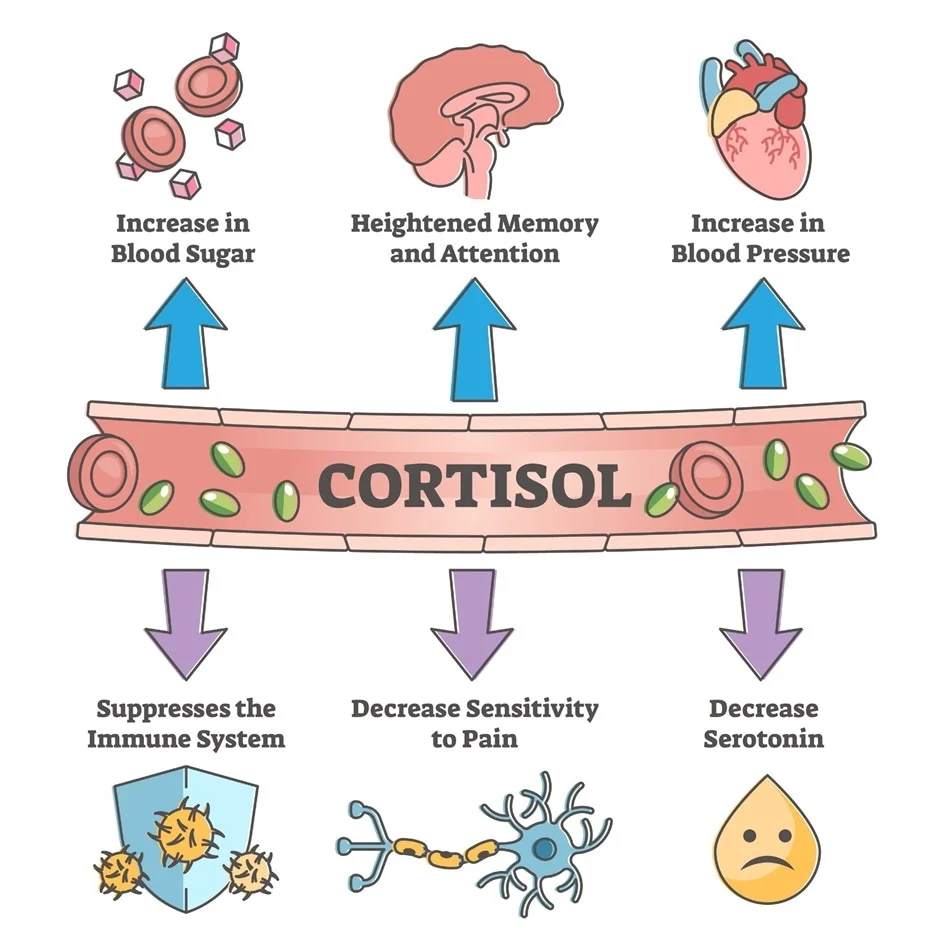
What Does Cortisol Do To Your Skin?
- Breaks Down Collagen
Chronic cortisol exposure increases matrix metalloproteinases (MMPs). These are enzymes that degrade collagen and elastin.
2. Triggers Acne and Breakouts
Elevated cortisol levels increase sebum production in the skin. A 2007 study found that stress correlates with acne severity, particularly in young adults.
3. Weakens the Skin Barrier
Cortisol impairs the production of ceramides which are fats that form the skin’s barrier and help retain moisture. This results in dryness, irritation, and sensitivity.
4. Increases Inflammation and Skin Conditions
Cortisol can dysregulate immune function, increasing inflammation that exacerbates conditions like eczema, psoriasis, and rosacea.
5. Slows Wound Healing
A study from Ohio State University showed that wound healing is delayed by up to 40% in response to chronic stress. Cortisol suppresses the immune response and reduces the skin’s ability to regenerate.
What You Can Do To Help?
The good news: research also supports effective ways to lower cortisol and protect your skin.
Practice Daily Stress Management
Mindfulness, meditation, and breathing techniques are shown to reduce cortisol. Aim for at least 10 minutes a day to improve both mood and skin.
Prioritise Sleep
Aim for 7–9 hours of sleep per night. A consistent sleep schedule can normalise cortisol rhythms and boost skin repair overnight.
Stay Active
Regular, moderate exercise lowers baseline cortisol levels and boosts circulation, which benefits the skin.
Use Skin Barrier Supportive Skincare
Products with ceramides and hyaluronic acid help strengthen the skin barrier.
Supplements
Adaptogens like ashwagandha may reduce visible signs of stress.
Your skin is a mirror of your internal health — and cortisol plays a major role in that reflection. By recognizing the signs of stress-related skin issues and taking both lifestyle and skincare steps to balance cortisol, you can restore your skin’s natural glow and resilience.
At Skin Sculpt Skincare, we believe skincare is self-care and that includes nurturing your mind and body as much as your skin.
Let your skincare ritual be your moment of calm. Your skin will thank you.
March 2026
Fibroblasts: The Skin Cells That Keep You Firm, Smooth, and Youthful
Fibroblasts are a vital component of skin health that rarely get the attention they deserve.
These specialised skin cells play a central role in keeping your skin firm, smooth, and youthful.
What Are Fibroblasts in the Skin?
Fibroblasts are connective tissue cells located in the dermis (the second layer of your skin). Their primary job is to produce the extracellular matrix (ECM), a structural framework made of:
- Collagen: Provides firmness and structure to the skin.
- Elastin: Gives skin flexibility and elasticity.
- Hyaluronic acid: Maintains moisture and helps the skin look plump.
Simply put, fibroblasts are the skin's construction company and are essential for skin repair and regeneration. They are multifunctional powerhouses and have several other roles beyond collagen and elastin production:
- Support angiogenesis: Fibroblasts help stimulate new blood vessel growth, which is essential for nourishing healing tissue.
- Skin's immune response: Fibroblasts are not immune cells, but they secrete cytokines and chemokines, signaling molecules that attract immune cells to sites of infection or injury. They can help regulate inflammation, balancing defence with healing.
- Mechanical sensing and response: Fibroblasts respond to mechanical stress (like stretching or pressure) by modifying ECM production to help the skin adapt, maintaining strength and flexibility.
Why Are Fibroblasts Important for Skin Health?
Healthy fibroblasts mean younger-looking skin. Here is what they do:
- Boost collagen production for skin firmness and volume.
- Maintain elastin and moisture to help prevent sagging and dryness.
- Speed up wound healing, which is essential for skin repair and rejuvenation.
Fibroblasts and Skin Ageing
As we age, fibroblast activity gets slower. This means less collagen, loss of elasticity, and visible signs of ageing such as wrinkles, sagging skin, and a dull complexion.
Environmental stressors like UV rays, pollution, and oxidative stress further damage these cells.
Ageing and Senescence Regulation
When damaged or stressed, fibroblasts can enter a state called senescence. This means they stop dividing, but they can still release inflammatory factors, which can contribute to chronic inflammation and skin ageing.
How to Stimulate Fibroblast Function with Skincare
How do we support fibroblast health and slow skin ageing? These science-backed ingredients can help:
- Vitamin C (Ascorbic Acid): Protects fibroblasts from free radicals and stimulates collagen production.
- Retinoids (Retinol, Retinal, Tretinoin): Encourage fibroblast activity and speed up cell turnover, like an alarm clock for your fibroblasts.
- Peptides: Signal fibroblasts to produce more collagen and elastin.
- Growth factors: Signal fibroblasts to divide, repair, and regenerate.
- Bakuchiol (retinol alternative): Similar to retinol, it stimulates collagen synthesis and reduces oxidative stress in fibroblasts, helping protect them from environmental damage.
- Sunscreen: Pair these ingredients with daily SPF to prevent UV damage to fibroblasts.
Why Fibroblasts Deserve Attention in Your Skincare Routine
Fibroblasts may be invisible, but their impact on your skin is massive. By supporting their function, you can:
- Maintain collagen and elastin levels.
- Improve skin texture and firmness.
- Delay visible signs of ageing.
Make fibroblast care a cornerstone of your skincare strategy and enjoy stronger, smoother, and more radiant skin for years to come.
April 2026
How Sugar Affects Your Skin (And What You Can Do About It)
When it comes to skincare, most of us focus on what we put on our skin, but what we put in our bodies also affects our skin. Something we consume every day is adding to premature ageing, inflammation, and breakouts: sugar.
Let's explore how sugar affects your skin, the science behind it, and what you can do to protect your glow.
The Science: Glycation and Your Skin
When you consume sugar, your body breaks it down into glucose. If there is too much glucose in your system, it can bind to proteins like collagen and elastin (two key components that keep your skin firm and youthful). This process is called glycation, and it produces harmful molecules known as advanced glycation end-products (AGEs).
AGEs damage collagen and elastin, making them stiff, less elastic, and more prone to breaking. The result is fine lines, sagging, and dullness.
The Link Between Sugar and Acne
Sugar causes a spike in insulin, which increases the production of sebum (your skin's natural oil) and can lead to clogged pores. It also promotes inflammation, a key factor in acne. Studies have shown that high-glycemic diets can make breakouts worse.
Sugar and Inflammation: The Silent Skin Agitator
Chronic, low-grade inflammation is another consequence of excessive sugar consumption. Inflammation not only accelerates ageing but also aggravates skin conditions like eczema, rosacea, and psoriasis.
How to Protect Your Skin From Sugar Damage
Cut Back on Refined Sugars
Skip sugary drinks, sweets, baked goods, and processed snacks.
Balance Your Plate
Pair carbs with protein and healthy fats to slow sugar absorption and reduce blood sugar spikes.
Hydrate and Nourish Your Skin
Drink water to stay hydrated. Topical antioxidants like vitamin C can help fight the damage caused by AGEs. Skin Sculpt Antioxidant Triple Defence is a great example of an effective antioxidant serum.
Consider a Low-Glycemic Diet
Focus on foods that do not spike your blood sugar. Think leafy greens, legumes, whole grains, and lean proteins.
Final Thoughts
Your skin reflects what's happening inside your body. While the occasional sweet treat is fine, consistently high sugar intake can sabotage your skincare efforts from the inside out. By making mindful choices about what you eat, you are not just supporting your overall health, you are giving your skin the best chance to thrive.